The first thing most people are told
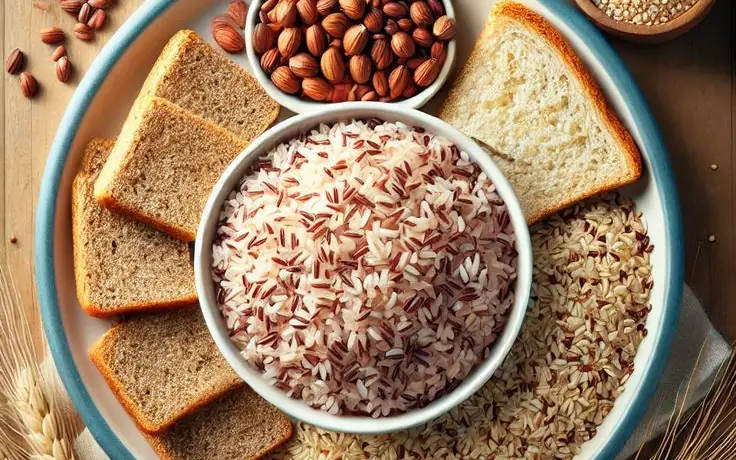
"Stop eating rice and roti." It is the advice almost every newly diagnosed client repeats to me, and it is the reason so many of them give up within a month. A plan that removes the staple of your household is a plan you cannot keep, and one you cannot keep will not help your blood sugar.
The more workable approach is to change how much, what with, and when — rather than whether.
Build the plate, do not empty it
Think of your plate in three parts:
- Half of it vegetables or salad
- A quarter protein — daal, chicken, fish, eggs, meat, paneer
- A quarter your carbohydrate — rice, roti, potato
The carbohydrate stays. It simply stops being the whole meal. This is the single change that moves readings most for the people I work with.
Spread carbohydrate across the day
Three moderate portions land far more gently than one large evening meal. Eating most of your day's carbohydrate at dinner, after a light or skipped breakfast, is a common pattern — and a difficult one for your body to manage.
Consistency across the day does more than perfection at any single meal.
Timing around medication
If you take medication for diabetes, meal timing matters as much as meal content. Some medicines expect food at particular points in the day; skipping or delaying a meal can cause problems. This is exactly the kind of thing we map out in a consultation, using the prescription your doctor has already written.
Your medication and its dosage are your doctor's decision. Nutrition supports that treatment — it does not replace or adjust it.
Practical habits that help
- 1Add protein to breakfast rather than eating carbohydrate alone
- 2Keep fruit whole instead of juicing it
- 3Walk for ten to fifteen minutes after your largest meal
- 4Keep an eye on portions of "healthy" items too — nuts, dates and dried fruit add up
- 5Plan for weddings, travel and Ramadan in advance rather than improvising
Reading your own numbers
If you monitor at home, patterns matter more than individual readings. A single high number after a heavy meal tells you little. The same rise after the same meal three times tells you plenty — that is where we make changes.
Bring your log and your most recent reports to your consultation. Together they turn general advice into a plan built for you.
This article is general information. Always follow the treatment plan set by your physician.