The cycle most people are stuck in
A very restrictive plan produces quick results for two or three weeks. Then life happens — a wedding, a work trip, a bad week — and the plan collapses. The weight returns, often with interest, and the next attempt starts from a more discouraged place.
The problem was never discipline. It was that the plan was never designed to survive an ordinary month.
What makes a plan survivable
- It uses food you already eat. A plan built on ingredients you have to hunt for will not outlast your enthusiasm.
- It leaves room for real life. Weddings, travel and family dinners are not failures of the plan; they are part of it.
- It is only as strict as it needs to be. The smallest change that produces progress is the one you will still be doing in six months.
- It protects protein and fibre. These are what keep you full enough to stay consistent.
Three things to fix before cutting harder
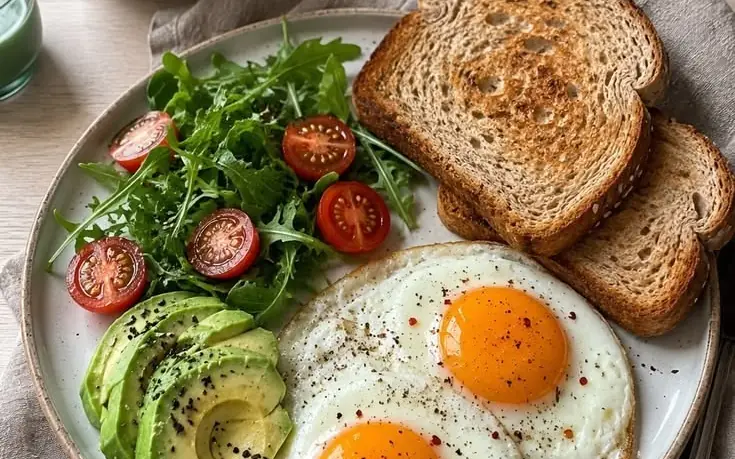
Protein at breakfast. Many people eat almost all their protein in the evening. Moving some to the morning reliably blunts afternoon cravings.
Sleep. Short sleep drives appetite up and makes every other decision harder. It is not a side issue.
Liquid calories. Chai with sugar several times a day, juices, soft drinks and flavoured coffees can quietly account for a large share of the day's intake.
Before eating less, look at what you are already eating and when.
Expect the plateau
Weight does not fall in a straight line. Water shifts of a kilo or two are normal from salt, hormones, stress and digestion — and they can hide genuine fat loss for a couple of weeks at a time.
Weigh under the same conditions, read the weekly average rather than any single day, and track a measurement like your waist alongside it. Most plateaus resolve with patience and a little precision, not with a harder cut.
The part that actually matters
The question is never how much you can lose in a month. It is how much you are still holding a year later — and whether the way you got there is something you can live with.
That is what a personalized plan is for: not the fastest route down, but the one you can stay on.
If you have a medical condition or take regular medication, speak to your doctor before making significant dietary changes.