Why the usual advice falls flat
Search for a PCOS diet and you will find long lists of forbidden foods. Clients arrive having cut out rice, fruit, dairy and sugar — exhausted, still symptomatic, and convinced they have failed at something.
Restriction is rarely the lever that matters. For many women with PCOS, insulin resistance is part of the picture, which means the more useful question is not which foods are banned but how each meal is built and how the day is spaced.
Start with meal structure
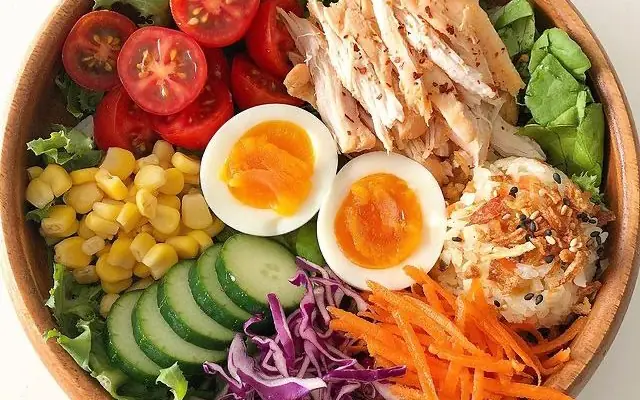
A meal that combines protein, fibre and a source of fat alongside your carbohydrate produces a gentler blood sugar response than the same carbohydrate on its own. In practice this means:
- Fruit gets a handful of nuts or a spoon of yoghurt
- Roti or rice gets a proper protein portion and vegetables beside it
- Tea and a biscuit becomes tea and something with substance
Nothing is removed. The plate is simply completed.
Then fix the spacing
Skipping breakfast, grazing through the afternoon and eating heavily late at night is a pattern that works against you. Three reasonably spaced meals — with a planned snack if you need one — give your body a rhythm to settle into.
The goal is a steadier day, not a smaller one.
Fibre is the quiet priority
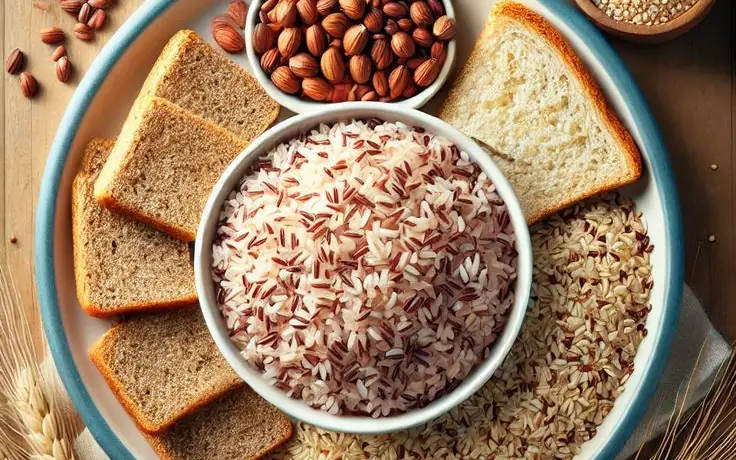
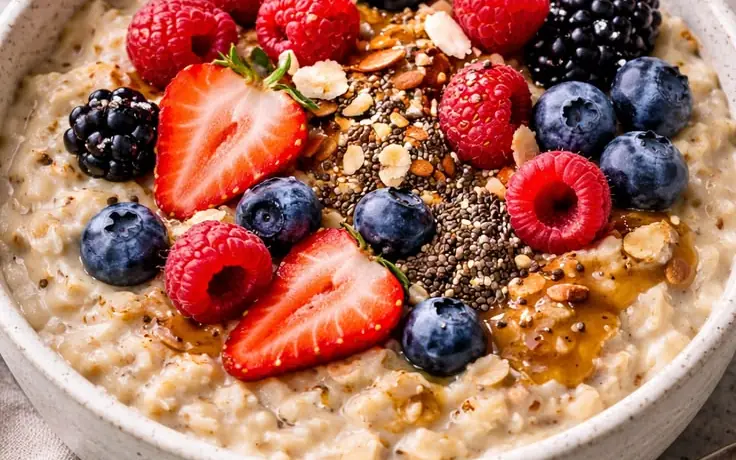
Fibre slows digestion, supports gut health and helps flatten the rise in blood sugar after meals. Chana, daal, beans, oats, vegetables with the skin on, and whole fruit all add up quickly once you are looking for them.
Most people find it easier to add fibre than to subtract carbohydrate — and it tends to be the change that sticks.
Movement after meals
A short walk after your largest meal of the day is one of the highest-return habits in any PCOS plan. Ten or fifteen minutes is enough to make a difference to how that meal is handled.
What a realistic timeline looks like
Energy and cravings usually shift first, often within a few weeks. Skin changes take longer because of how skin cells turn over. Cycle regularity is typically the slowest marker to respond, and it varies a great deal between individuals.
If your reports include fasting insulin, HbA1c or a hormone panel, bring them to your consultation — they change where we start.
PCOS nutrition should sit alongside the care of your gynaecologist or endocrinologist. Nothing here replaces their advice or your prescribed treatment.